EUGENIA NEONITIDA
POPULAR NAMES: PITANGATUBA, PITANGA-UBÁ, PITANGA-CARAMBOLA, PITANGATUBA
MYRTACEAE
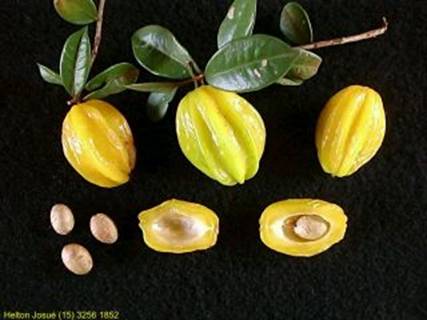
INDIGENOUS NAME: Pitangatuba comes from the Tupi, referring to the skin of the fruit, which is small and delicate or thin tube adjective means big or large as in fact the fruit is.
Origin: Coastal thickets of Espirito Santo, Rio de Janeiro and São Paulo.
Characteristics:
Bush to
Planted in the site of Frutas Raras: November 2002, blossomed in 2004, bear fruit in 2004.
Tips for cultivation: Slow growing bush appreciates red and sandy soils with rapid drainage of rain water, is resistant to light frosts to -3°C (27°F). The plant does fruit only in full sun and should be planted in well fertilized soil, enriched with plenty of decomposed organic matter.
Propagation: The
seeds are large and germinate in
Planting:
I recommend to plant in
full sun in a space of 4 x
Cultivating: The
plant grows slowly and does not require special care, the surface should be
covered with powder to close and eliminate any weed that can choke the
plant.
Fertilize with 2 kg of organic compost made from chicken manure and
work
Uses: The fruit is consumed in-kind and in the form of juices that are very creamy. The fruit has great potential for the manufacture of pulp and ice cream.
Flowering in the site of Frutas Raras: September to February.
Fruiting in the site of Frutas Raras: November to April.
BUY THE BOOK “COLECIONANDO FRUTAS”
Back to the seedlist (English) or back to Myrtaceae (Portuguese)